
Luxury and responsibility are not opposites — increasingly, they are the same thing. The travelers who care most about their experience also care where their money lands. Here is how we run safaris that give more than they take, and what you can do as a guest.
Respecting wildlife
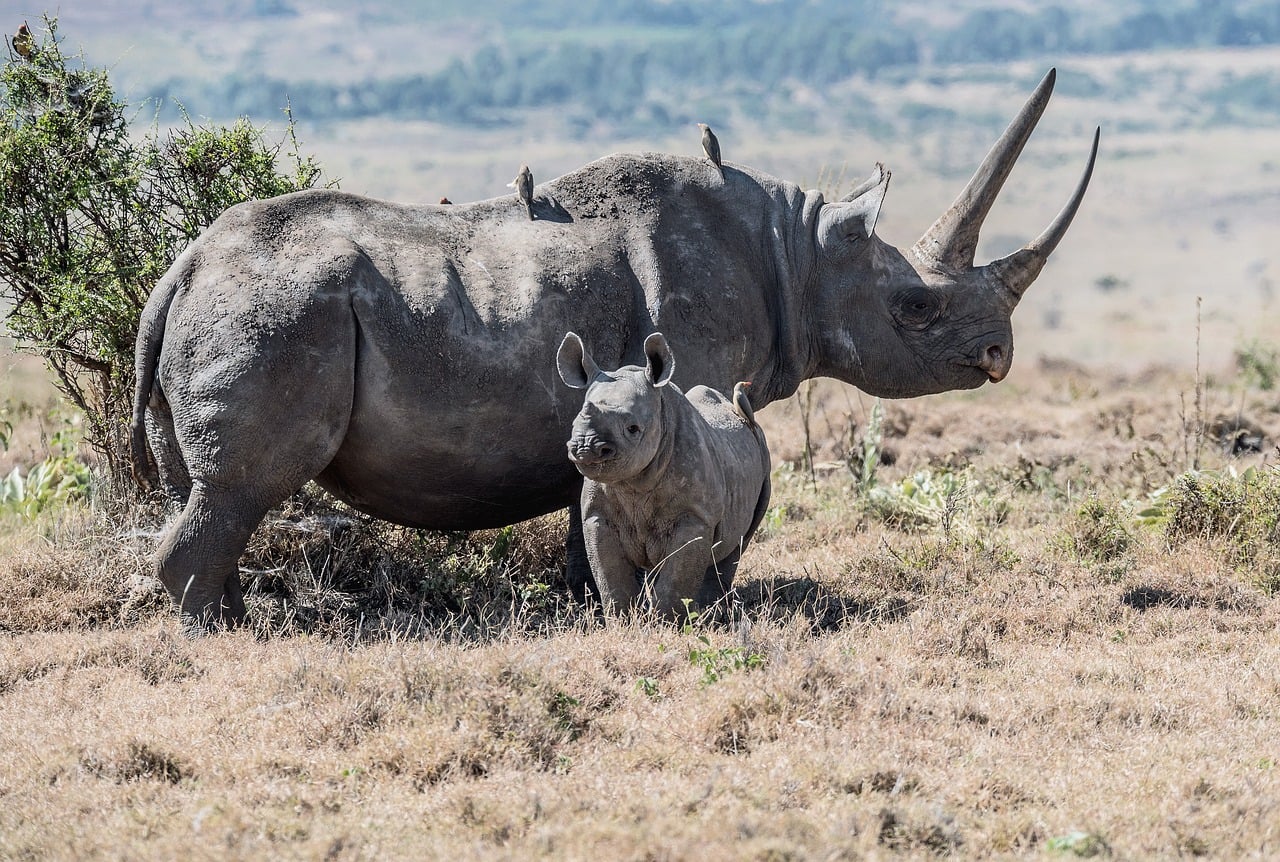
The animals' welfare outranks any photograph. Our guides follow — and often exceed — park rules on sighting behavior:
- Keep respectful distances; never box in or chase an animal
- Engines off at sightings whenever conditions allow
- Never call, whistle at or bait wildlife
- Maximum vehicle numbers respected at sensitive sightings, even when others break them
- Off-road driving only where explicitly permitted (such as the Ndutu area)
Ethical cultural visits
Cultural tourism can dignify or demean, depending entirely on how it is arranged. Our Maasai community visits run through long-standing relationships with specific communities: payment agreed transparently with elders, small groups, no staged poverty, no pressure to buy, and genuine time for conversation. If a visit ever feels like a human zoo, we have failed — tell us.
Cutting plastic
Tanzania banned plastic carrier bags in 2019 — do not bring them. On safari, we go further: every vehicle carries a large refill water container, and we provide reusable bottles so a week on safari does not mean fifty crushed plastic bottles.
Local employment & supply
Safari money should stay in Tanzania. Jamela is a local company; our guides, drivers and office team are Tanzanian, paid fairly and trained continuously. We favor lodges that employ from neighboring communities and buy from local farms — and we can tell you, lodge by lodge, which ones genuinely do.
Conservation, concretely
Park and concession fees on your invoice are conservation funding: they pay ranger salaries, anti-poaching patrols and ecosystem management across Tanzania's protected areas. Choosing a longer stay inside the parks is itself a conservation act. Guests who want to go further can visit or support vetted projects — ask us, and we will connect you to real ones rather than photo-op charities.
Responsible photography
Ask before photographing people — always. Pay the agreed community fee rather than tipping children (which pulls them from school toward roadsides). And at sightings, remember the hierarchy: the animal's behavior first, the shot second.
The industry is moving
Sustainable tourism is now a serious, organized force in Tanzania, with national summits on climate-resilient, nature-positive and community-centered travel. We are part of that movement because it is right — and because the wild Tanzania we sell only exists if it is protected.